 English
 Español
  Português
  русский
  Français
  日本語
日本語  Deutsch
  tiếng Việt
  Italiano
  Nederlands
  ภาษาไทย
  Polski
  한국어
한국어  Svenska
  magyar
  Dansk
Dansk  Suomi
Suomi  العربية
  ελληνικά
  český
český 

What Materials Work Best with Advanced Stamping Processing Techniques
When leveraging advanced stamping processing techniques, the choice of material is not just a detail—it's the cornerstone of success. It directly dictates the durability, functionality, and cost-effectiveness of the final component. At Jinggang, our expertise lies in precisely matching the right material to your unique project demands, ensuring optimal performance from prototype to high-volume production.
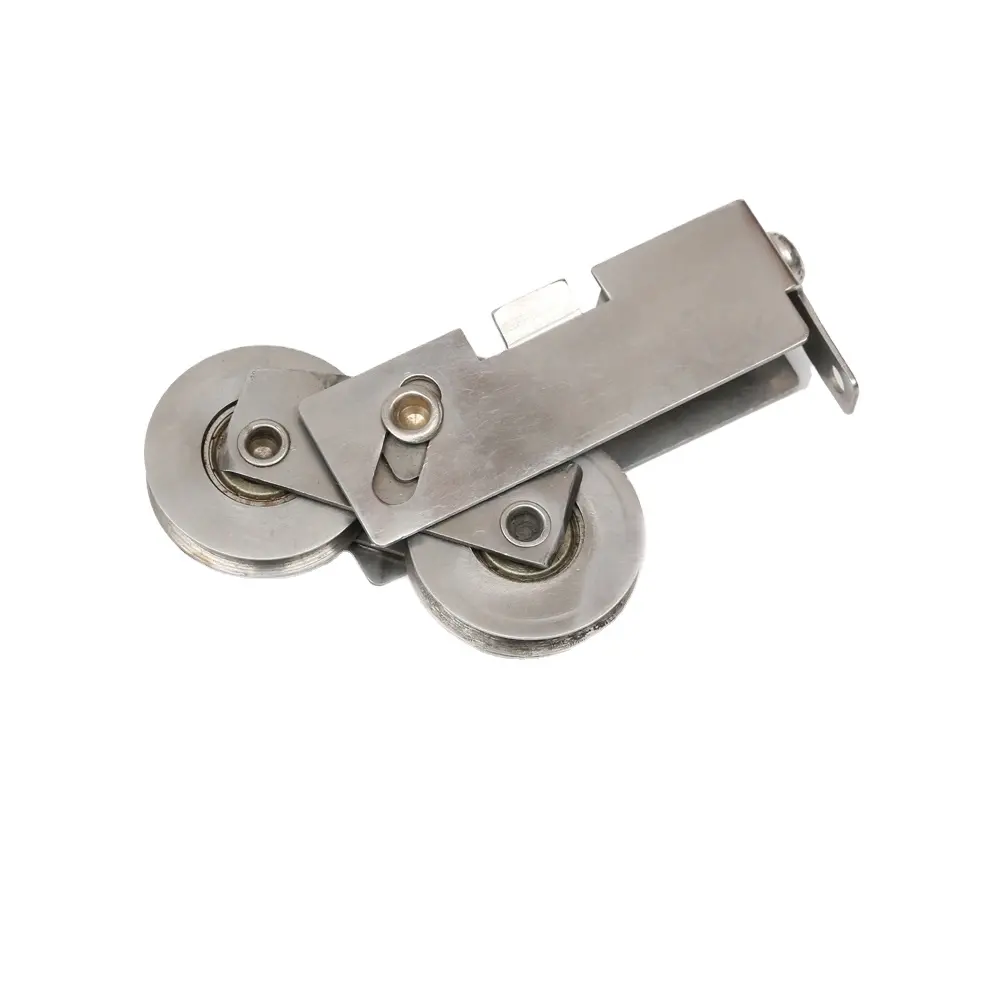
Our advanced processes are engineered to handle a diverse material portfolio, each selected for specific properties:
-
High-Strength Steels (HSS) & Advanced High-Strength Steels (AHSS): Ideal for achieving superior strength-to-weight ratios, crucial for automotive safety components and lightweighting.
-
Aluminum Alloys: Perfect for applications requiring excellent corrosion resistance and reduced weight, such as in aerospace and consumer electronics enclosures.
-
Stainless Steel: The go-to choice for parts demanding exceptional durability, hygiene, and resistance to extreme temperatures or corrosive environments.
-
Copper and its Alloys (e.g., Brass, Bronze): Selected for superior electrical conductivity, thermal conductivity, and antimicrobial properties.
The following table outlines key parameters we manage to ensure material excellence in every project:
| Material Category | Key Characteristics | Common Applications at Jinggang | Our Technical Focus |
|---|---|---|---|
| AHSS | Ultra-high strength, formability | Automotive chassis, safety cages | Precision control of springback, tool wear management |
| Aluminum Alloys | Lightweight, corrosion-resistant | Aerospace brackets, electronic housings | Managing ductility, preventing surface galling |
| Precision Stainless Steel | High strength, heat/corrosion resistant | Medical devices, industrial components | Maintaining tolerances, surface finish integrity |
Stamping Processing FAQ
What are the main advantages of using advanced stamping processing over traditional methods?
Advanced stamping processing techniques, such as precision progressive and transfer stamping, offer superior precision, repeatability, and efficiency. They significantly reduce material waste, allow for complex multi-stage part production in a single operation, and enable the use of higher-strength materials that are essential for modern lightweight and durable designs.
How does material choice impact the cost of a stamping processing project?
Material choice affects both direct costs (raw material price) and indirect costs (tool wear, production speed, scrap rate). While some advanced materials have a higher upfront cost, their enhanced properties can lead to longer part life, weight reduction savings (e.g., in vehicles), and lower assembly costs. At Jinggang, we perform a thorough analysis to find the most cost-effective material solution for your total project lifecycle.
Can Jinggang handle prototyping with specialized materials before full-scale production?
Absolutely. We strongly recommend and support prototyping runs. This allows us to validate the material's behavior with our advanced stamping processing techniques, fine-tune tooling designs, and ensure all mechanical properties and tolerances are met before committing to high-volume production, thereby mitigating risk.
To discover how the synergy between the ideal material and our advanced stamping processing capabilities can bring your specific project to life with unmatched quality and efficiency, contact us today. Let the Jinggang team provide you with a tailored engineering solution and quote.
Send Inquiry



X
We use cookies to offer you a better browsing experience, analyze site traffic and personalize content. By using this site, you agree to our use of cookies.
Privacy Policy