 English
 Español
  Português
  русский
  Français
  日本語
日本語  Deutsch
  tiếng Việt
  Italiano
  Nederlands
  ภาษาไทย
  Polski
  한국어
한국어  Svenska
  magyar
  Dansk
Dansk  Suomi
Suomi  العربية
  ελληνικά
  český
český 

How Does Forging Processing Improve Strength and Precision in Industrial Components?
Article Summary
Forging Processing is a critical manufacturing method used to produce high-strength, reliable, and dimensionally stable metal components for demanding industries such as automotive, energy, construction, and heavy machinery. This article explains how forging processing works, why it outperforms many alternative manufacturing methods, and how it addresses common customer pain points such as inconsistent quality, premature failure, and high lifecycle costs. It also explores key forging types, process stages, material selection, quality control, and practical applications, providing a clear and structured reference for decision-makers evaluating forged parts suppliers like Jinggang.
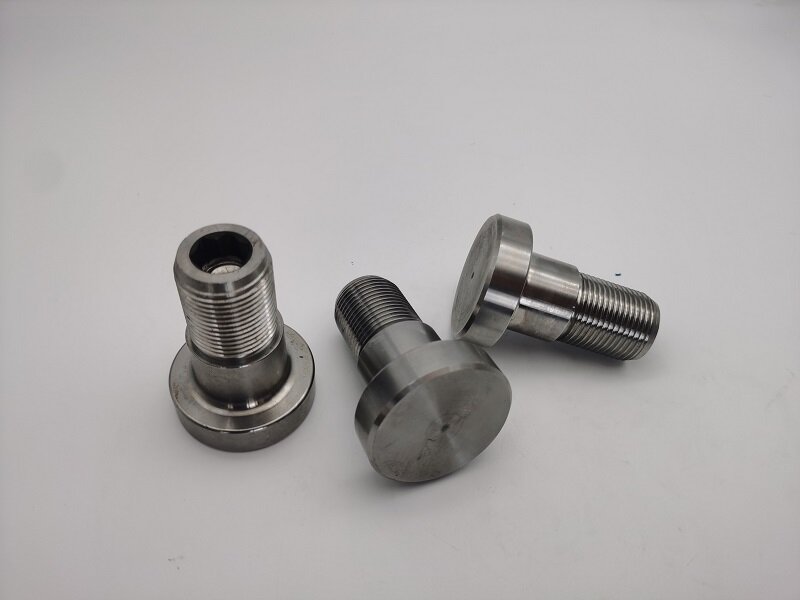
Table of Contents
- Understanding Forging Processing
- Why Forging Processing Solves Common Manufacturing Pain Points
- Core Types of Forging Processing
- Key Stages in the Forging Processing Workflow
- Material Selection in Forging Processing
- Forging Processing vs Other Manufacturing Methods
- Quality Control and Consistency in Forged Components
- Industrial Applications of Forging Processing
- Frequently Asked Questions
- Conclusion and Next Steps
Understanding Forging Processing
Forging Processing is a manufacturing technique in which metal is shaped using compressive forces, typically delivered by hammers, presses, or rollers. Unlike machining or casting, forging reshapes the internal grain structure of the metal, aligning it with the part geometry. This results in superior mechanical properties, including higher strength, improved fatigue resistance, and better impact performance.
The process can be performed at different temperatures, depending on material requirements and part complexity. Hot forging, warm forging, and cold forging each serve specific industrial needs, but all share the same core advantage: enhanced structural integrity.
Why Forging Processing Solves Common Manufacturing Pain Points
Many buyers face recurring issues when sourcing metal components, such as inconsistent performance, hidden internal defects, or excessive material waste. Forging Processing directly addresses these concerns through controlled deformation and predictable metallurgical outcomes.
- Higher Load Capacity: Forged parts withstand higher stresses compared to cast or machined equivalents.
- Reduced Failure Risk: Dense grain flow minimizes internal voids and cracks.
- Longer Service Life: Improved fatigue resistance lowers maintenance and replacement costs.
- Material Efficiency: Near-net shaping reduces unnecessary material removal.
For industries where safety, reliability, and long-term cost control are essential, forging processing offers a proven solution.
Core Types of Forging Processing
Forging Processing includes several methods, each optimized for specific part designs, volumes, and performance requirements.
| Forging Type | Key Characteristics | Typical Applications |
|---|---|---|
| Open-Die Forging | Simple shapes, high flexibility, low tooling cost | Shafts, rings, large structural parts |
| Closed-Die Forging | High precision, consistent dimensions | Automotive parts, machinery components |
| Cold Forging | Excellent surface finish, minimal machining | Fasteners, precision hardware |
| Warm Forging | Balanced strength and formability | Complex mid-sized components |
Key Stages in the Forging Processing Workflow
A reliable forging processing operation follows a structured workflow to ensure consistency and performance.
- Material Preparation: Raw material is cut and heated to the required temperature.
- Forging Deformation: Controlled force shapes the metal into the desired form.
- Trimming and Flash Removal: Excess material is removed for dimensional accuracy.
- Heat Treatment: Enhances hardness, toughness, or ductility as required.
- Inspection and Finishing: Dimensional checks, surface treatment, and final machining.
Each stage contributes to the final mechanical performance of the component, making process control a decisive factor in supplier selection.
Material Selection in Forging Processing
Material choice plays a critical role in forging processing outcomes. Common materials include carbon steel, alloy steel, stainless steel, aluminum alloys, and copper-based alloys.
Forging allows these materials to achieve optimal strength-to-weight ratios while maintaining predictable behavior under load. Experienced manufacturers such as Jinggang tailor material selection based on application demands, operating environments, and regulatory requirements.
Forging Processing vs Other Manufacturing Methods
Understanding how forging processing compares with alternative methods helps buyers make informed sourcing decisions.
- Forging vs Casting: Forged parts offer higher strength and fewer internal defects.
- Forging vs Machining: Forging reduces material waste and improves grain structure.
- Forging vs Fabrication: Forged components provide better fatigue resistance.
While initial tooling costs may be higher, the long-term performance benefits often outweigh upfront investment.
Quality Control and Consistency in Forged Components
Consistent quality is a major concern for global buyers. Forging processing enables repeatable production when supported by proper inspection systems, including dimensional measurement, mechanical testing, and non-destructive evaluation.
By maintaining strict process parameters and traceability, manufacturers can deliver components that meet demanding industrial standards across high-volume production runs.
Industrial Applications of Forging Processing
Forging processing is widely used across industries that demand reliability under extreme conditions.
- Automotive drivetrain and suspension components
- Construction and mining equipment parts
- Energy and power generation components
- Agricultural machinery and heavy-duty tools
In these sectors, forged components contribute directly to operational safety and efficiency.
Frequently Asked Questions
Is forging processing suitable for complex shapes?
Yes. Closed-die and warm forging methods allow the production of complex geometries with tight tolerances.
Does forging processing reduce long-term costs?
Although tooling costs may be higher initially, forged parts typically last longer and require less maintenance.
Can forging processing be customized for specific industries?
Yes. Process parameters, materials, and heat treatments can be adjusted to meet industry-specific requirements.
Conclusion and Next Steps
Forging Processing remains one of the most reliable manufacturing methods for producing high-performance metal components. By improving strength, durability, and consistency, it addresses critical customer pain points across multiple industries.
With proven experience and advanced production capabilities, Jinggang continues to support global customers with dependable forging processing solutions tailored to real-world applications.
To learn more about customized forging processing services or discuss your project requirements, contact us today and explore how the right forging solution can enhance your product performance and reliability.
Send Inquiry



X
We use cookies to offer you a better browsing experience, analyze site traffic and personalize content. By using this site, you agree to our use of cookies.
Privacy Policy