 English
 Español
  Português
  русский
  Français
  日本語
日本語  Deutsch
  tiếng Việt
  Italiano
  Nederlands
  ภาษาไทย
  Polski
  한국어
한국어  Svenska
  magyar
  Dansk
Dansk  Suomi
Suomi  العربية
  ελληνικά
  český
český 

How Does a Stamping Clamp Improve Precision and Stability in Metal Forming?
Article Summary:
Stamping clamps play a critical role in metal forming operations by ensuring workpieces and dies remain securely fixed during high-pressure processes. This article explains how stamping clamps function, their structural design, key benefits, and how they solve common manufacturing challenges such as misalignment, vibration, and inefficiency. It also provides selection guidelines, technical parameters, and practical insights for industrial applications.
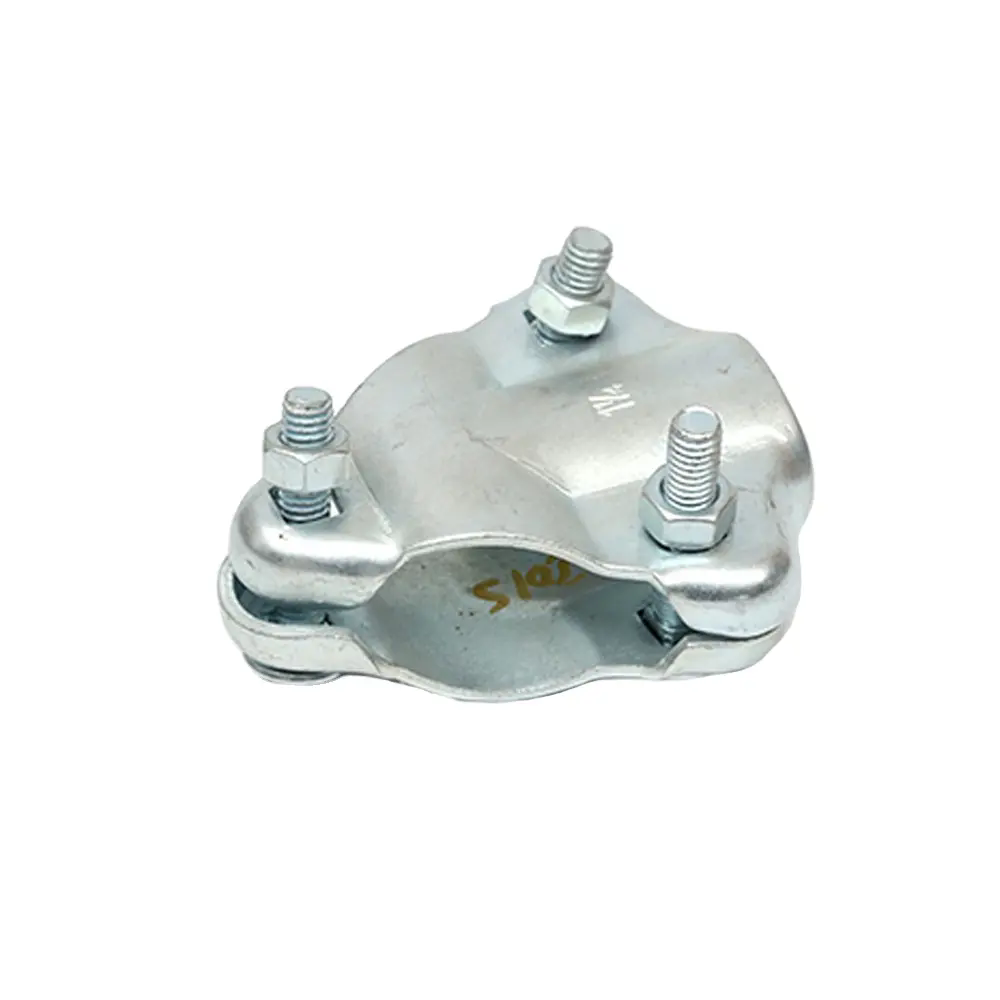
Table of Contents
- 1. Article Outline
- 2. What Is a Stamping Clamp
- 3. How Stamping Clamps Work
- 4. Key Components and Design
- 5. Core Advantages in Manufacturing
- 6. Technical Parameters
- 7. Solving Customer Pain Points
- 8. How to Choose the Right Stamping Clamp
- 9. Industrial Applications
- 10. Frequently Asked Questions
1. Article Outline
- Definition and role of stamping clamps
- Working principle in stamping operations
- Structural design and materials
- Benefits for efficiency and precision
- Technical specifications and standards
- Selection strategies and application scenarios
2. What Is a Stamping Clamp
A stamping clamp is a mechanical fastening device used in metal stamping processes to secure dies, molds, or workpieces onto a press table. It ensures that components remain stable under high pressure, preventing displacement and ensuring consistent product quality.
In modern manufacturing, stamping processes involve operations such as bending, embossing, and drawing, which require precise positioning and high force application :contentReference[oaicite:0]{index=0}. Without proper clamping, these processes can result in defects such as misalignment, deformation, or material waste.
Companies like Jinggang design high-performance stamping clamps that meet industrial demands for durability, precision, and operational efficiency.
3. How Stamping Clamps Work
The primary function of a stamping clamp is to apply controlled force to hold tooling or materials in place during stamping operations.
- Positioning: The clamp secures the die or workpiece onto the press bed.
- Force Application: Bolts or hydraulic systems generate clamping force.
- Stabilization: Prevents movement caused by vibration or stamping pressure.
- Release: Allows quick removal for tool changes or maintenance.
Proper clamping ensures that stamping dies remain aligned, reducing wear and improving repeatability. Poor clamping can lead to damage and costly repairs :contentReference[oaicite:1]{index=1}.
4. Key Components and Design
A typical stamping clamp system includes the following components:
- Clamp Body: Provides structural strength and distributes force evenly
- T-Bolt or Stud: Anchors the clamp to the press table
- Nut or Fastener: Adjusts and locks the clamping force
- Support Block: Ensures proper height and alignment
Different types of stamping clamps are available, including:
- Flat-type clamps
- Gooseneck clamps
- Step clamps
- Quick-release clamps
These variations allow manufacturers to adapt to different die sizes, shapes, and production requirements.
5. Core Advantages in Manufacturing
Stamping clamps offer several critical benefits in industrial production:
- Enhanced Stability: Prevents movement during high-pressure stamping
- Improved Precision: Ensures accurate positioning of dies and workpieces
- Reduced Tool Wear: Minimizes stress on molds and machinery
- Faster Setup: Enables quick installation and replacement of tooling
- Increased Safety: Reduces the risk of accidents caused by loose components
These advantages contribute to higher productivity and lower operational costs.
6. Technical Parameters
| Parameter | Typical Specification |
|---|---|
| Material | Forged carbon steel / alloy steel |
| Clamping Force | High load capacity (varies by size) |
| Surface Treatment | Black oxide / zinc plating |
| Adjustment Range | 0–100 mm (depending on model) |
| Thread Size | M16 – M24 or customized |
Technical specifications should be selected based on equipment size and production requirements.
7. Solving Customer Pain Points
1. Die Movement During Operation
Solution: High-strength clamps ensure firm fixation under extreme pressure.
2. Frequent Equipment Downtime
Solution: Quick-release designs reduce setup time and improve workflow efficiency.
3. Inconsistent Product Quality
Solution: Stable clamping ensures repeatable positioning and consistent results.
4. High Maintenance Costs
Solution: Durable materials reduce wear and extend tool lifespan.
5. Complex Setup Procedures
Solution: Adjustable clamp systems simplify installation and alignment.
8. How to Choose the Right Stamping Clamp
Selecting the right stamping clamp involves evaluating several factors:
1. Load Capacity
- Ensure the clamp can withstand stamping force
2. Compatibility
- Match clamp size with die and press table specifications
3. Material Quality
- Choose forged steel for high durability
4. Adjustment Flexibility
- Opt for adjustable designs for multiple applications
5. Supplier Reliability
Working with trusted manufacturers such as Jinggang ensures consistent product quality and technical support.
9. Industrial Applications
- Automotive component manufacturing
- Sheet metal fabrication
- Electronics housing production
- Appliance manufacturing
- Industrial equipment fabrication
Stamping clamps are essential for ensuring stability and precision across these industries.
10. Frequently Asked Questions
Q1: What is the main function of a stamping clamp?
A: It secures dies or workpieces to prevent movement during stamping operations.
Q2: Can stamping clamps be customized?
A: Yes, many manufacturers offer customized sizes and configurations.
Q3: What materials are commonly used?
A: Forged carbon steel and alloy steel are widely used for strength and durability.
Q4: How do stamping clamps improve efficiency?
A: They reduce setup time, prevent errors, and improve production consistency.
Q5: How often should clamps be maintained?
A: Regular inspection is recommended to ensure proper performance and safety.
Conclusion
Stamping clamps are indispensable in modern manufacturing, providing the stability, precision, and efficiency required for high-quality metal forming. Their robust design and adaptability make them a key component in optimizing production processes.
Choosing a reliable supplier such as Jinggang ensures access to durable, high-performance stamping clamps tailored to your operational needs.
If you are looking for reliable and efficient stamping clamp solutions, contact us today to receive expert support, customized options, and competitive pricing for your manufacturing needs.
Send Inquiry



X
We use cookies to offer you a better browsing experience, analyze site traffic and personalize content. By using this site, you agree to our use of cookies.
Privacy Policy