 English
 Español
  Português
  русский
  Français
  日本語
日本語  Deutsch
  tiếng Việt
  Italiano
  Nederlands
  ภาษาไทย
  Polski
  한국어
한국어  Svenska
  magyar
  Dansk
Dansk  Suomi
Suomi  العربية
  ελληνικά
  český
český 

How Are Neighboring and Regionalization Trends Reshaping Forging Processing Supply Chains and Investment in Domestic Capacity?
Ningbo Jinggang Machinery Co., Ltd. is gaining attention as regional supply chains accelerate changes in Forging Processing, helping industries rethink local capacity, flexibility, and component reliability.
Regional Manufacturing Is Entering a New Phase
Over the past few years, global manufacturing networks have experienced significant adjustments. Companies across industries such as industrial equipment, transportation, agriculture, construction, and energy systems are increasingly focusing on shorter supply chains, stable production schedules, and stronger regional manufacturing capabilities.
This shift does not mean global cooperation is disappearing. Instead, many industries are creating a more balanced structure by combining international resources with closer production networks. The growing interest in domestic and regional capacity is driven by several practical concerns, including transportation delays, supply uncertainty, rising logistics costs, and the need for faster engineering communication.
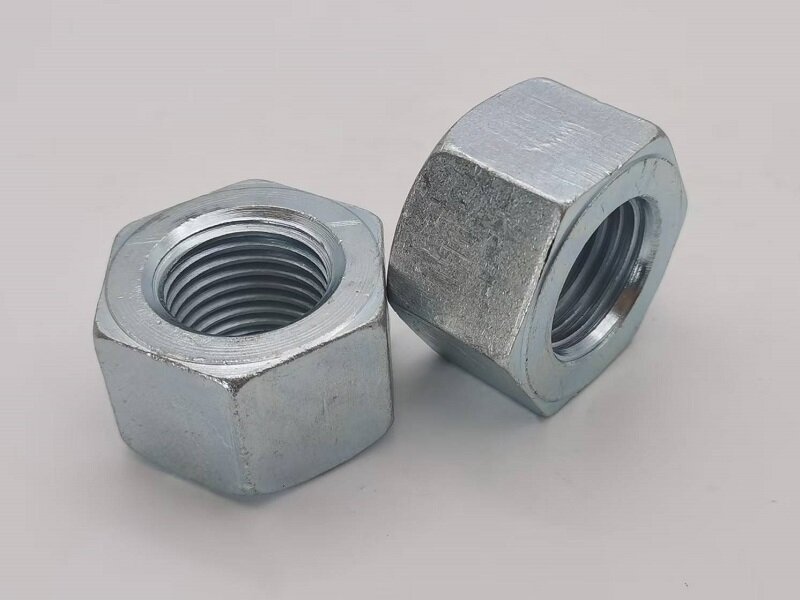
For metal component production, this trend has created new expectations. Customers are looking beyond basic processing capabilities and paying more attention to engineering support, production consistency, quality control, and the ability to handle customized requirements.
Why Regional Capacity Matters for Modern Metal Components
Metal parts are essential in many industries, but their production often involves multiple stages, including design, casting, machining, surface treatment, and inspection. When these processes are spread across distant locations, communication challenges and coordination risks can increase.
Regional production networks provide several advantages:
| Industry Challenge | Regional Manufacturing Response |
|---|---|
| Long transportation cycles | Shorter production and delivery coordination |
| Complex customization needs | Faster engineering communication |
| Quality consistency concerns | More direct process monitoring |
| Changing market demands | Greater production flexibility |
| Supply chain uncertainty | Stronger local production support |
The development of domestic capacity allows companies to respond more quickly to technical adjustments. This is especially important for industries requiring customized components rather than standardized products.
The Growing Role of Advanced Forging Processing Capabilities
Modern Forging Processing is no longer limited to shaping metal through traditional methods. Today, it is connected with digital design, precision machining, material analysis, and strict inspection systems.
Ningbo Jinggang Machinery Co., Ltd. represents this integrated approach by providing customized iron, steel, and aluminum component solutions. With experience in engineering design, casting, machining, welding, stamping, assembly, and surface treatment, the company supports a complete production chain for various industrial applications.
The demand for flexible metal processing continues to grow because many industries require components designed for specific operating environments. Water systems may need corrosion-resistant parts, agricultural machinery may require durable structures, while industrial equipment often depends on high-strength components with precise dimensions.
Investment in Domestic Manufacturing Capacity Is Becoming More Practical
Regionalization trends are also influencing how companies evaluate manufacturing investments. Instead of focusing only on production volume, modern facilities are increasingly designed around adaptability, quality management, and technological capability.
Several factors are shaping this investment direction:
1. Integrated Production Reduces Coordination Difficulties
A production system that combines engineering, casting, machining, and inspection in one location can reduce unnecessary communication gaps. This helps improve efficiency when handling complex drawings and customized mechanical components.
Jinggang’s factory in Ningbo covers approximately 4,000 square meters and includes stamping, machining, welding, assembly workshops, and a laboratory. Equipped with CNC machine tools, stamping equipment, welding facilities, and inspection instruments such as CMM and hardness testing equipment, the facility reflects the increasing importance of integrated manufacturing.
2. Digital Engineering Improves Manufacturing Accuracy
Technology is becoming a key part of modern metal production. Software tools such as AutoCAD, Pro/E, UG, CATIA, SOLIDWORKS, ProCAST, and CAE help engineers analyze designs, optimize production processes, and improve component performance.
Digital tools allow engineering teams to identify potential problems earlier, reducing unnecessary adjustments during production. This is particularly valuable for customized parts used in demanding industrial environments.
3. Quality Systems Support Long-Term Reliability
As regional supply chains expand, quality management has become a central consideration. A stable production system requires consistent standards throughout every stage.
Jinggang has established a quality control system aligned with ISO9001 requirements and has also obtained TS 16949 certification. These systems help ensure that components such as Forging Processing meet technical specifications through continuous monitoring and inspection.
How Industries Are Benefiting From More Flexible Supply Networks
The movement toward regional manufacturing is affecting multiple sectors. Industrial machinery companies are seeking more responsive component solutions, vehicle-related industries require reliable metal parts, and agricultural equipment producers need durable components that can operate under challenging conditions.
The following table highlights common application areas:
| Application Field | Typical Component Requirements |
|---|---|
| Industrial machinery | Strength, precision, long service life |
| Water systems | Corrosion resistance and stable performance |
| Vehicles and ships | Structural reliability and accurate machining |
| Construction equipment | Heavy-duty performance |
| Agriculture machinery | Durability and customized designs |
This broader demand has encouraged companies with comprehensive production capabilities to become important contributors to regional manufacturing ecosystems.
Future Development: Combining Global Reach With Local Strength
The future of manufacturing is likely to involve both international cooperation and regional production networks. Companies are not simply choosing between global and local models; instead, they are building supply systems that are more resilient, flexible, and responsive.
For metal component industries, the next stage of development will depend on combining skilled engineering, advanced equipment, quality systems, and efficient production management. Forging Processing will continue evolving as industries require stronger customization, improved efficiency, and better control over production processes.
Regional manufacturing hubs such as Ningbo are becoming important locations for this transformation. Their combination of industrial experience, transportation advantages, and technical resources provides strong support for modern component production.
As supply chain strategies continue to change, integrated solutions for stamping parts, sand casting parts, machining parts, welding parts, and assembly components will remain valuable. Ningbo Jinggang Machinery Co., Ltd. demonstrates how customized metal component services and advanced Forging Processing capabilities can support industries adapting to a new era of regional manufacturing development.
Send Inquiry



X
We use cookies to offer you a better browsing experience, analyze site traffic and personalize content. By using this site, you agree to our use of cookies.
Privacy Policy