 English
 Español
  Português
  русский
  Français
  日本語
日本語  Deutsch
  tiếng Việt
  Italiano
  Nederlands
  ภาษาไทย
  Polski
  한국어
한국어  Svenska
  magyar
  Dansk
Dansk  Suomi
Suomi  العربية
  ελληνικά
  český
český 

Products
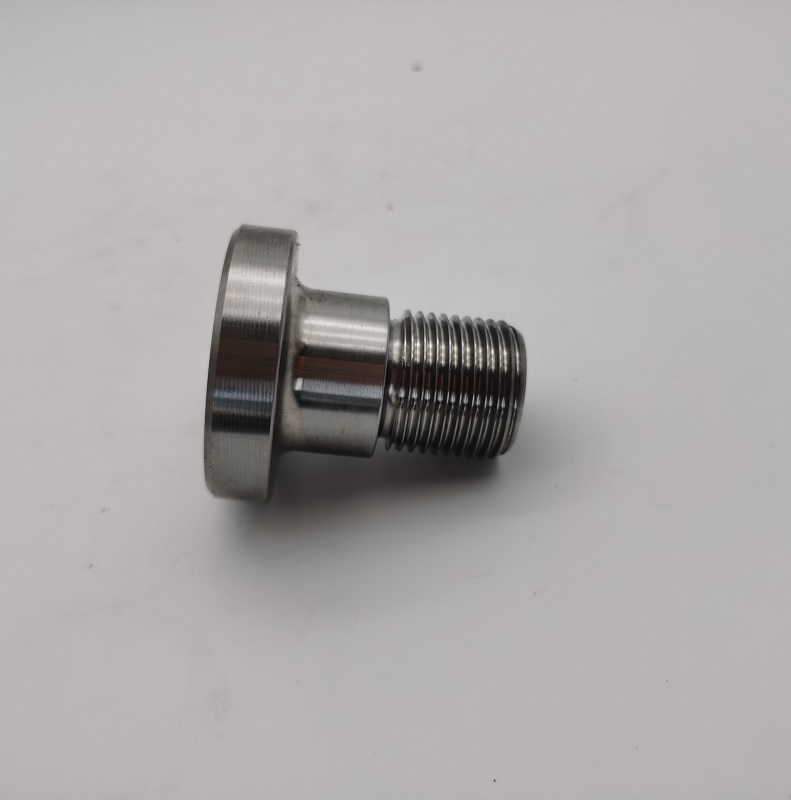
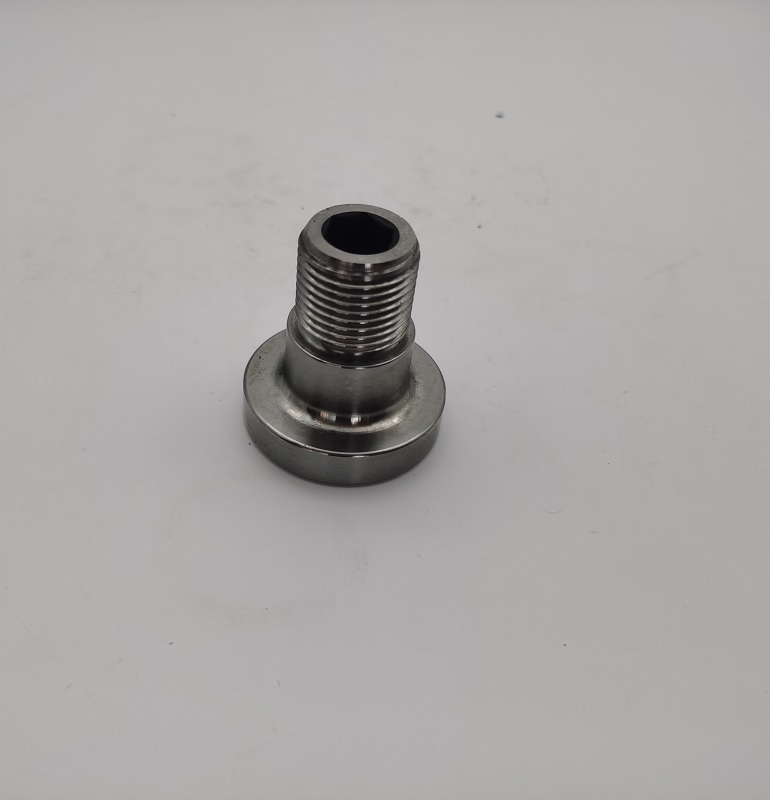
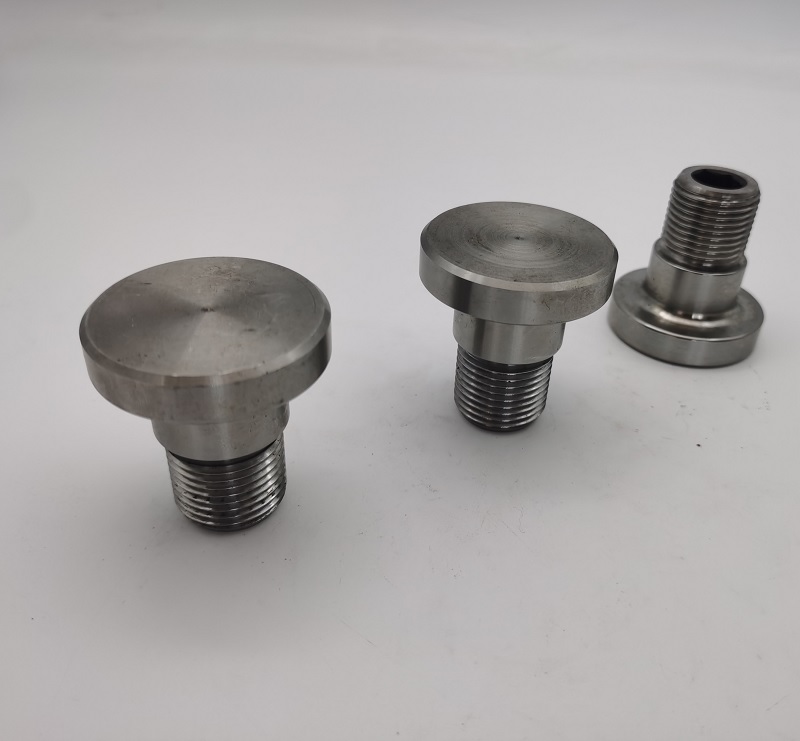
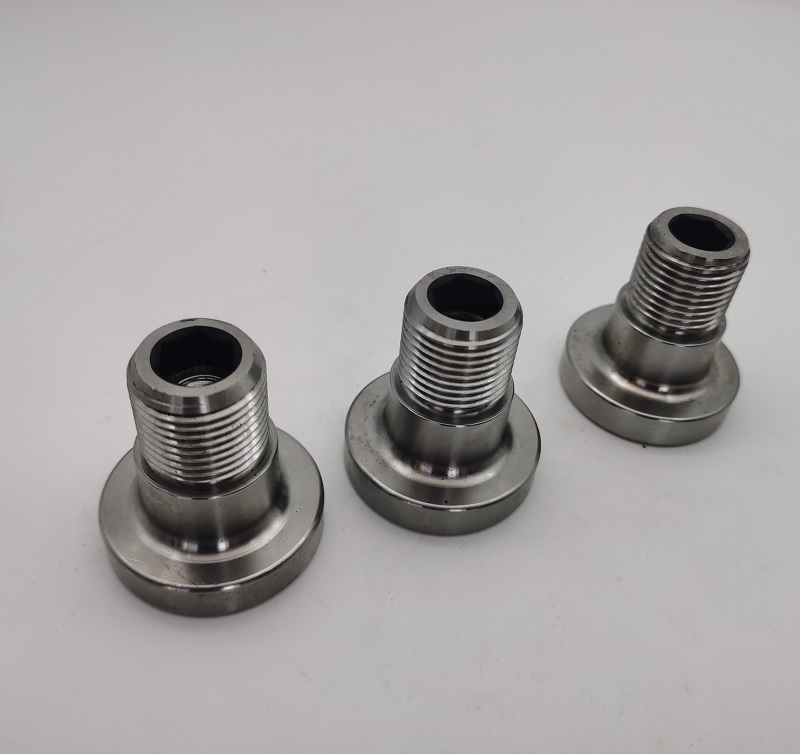
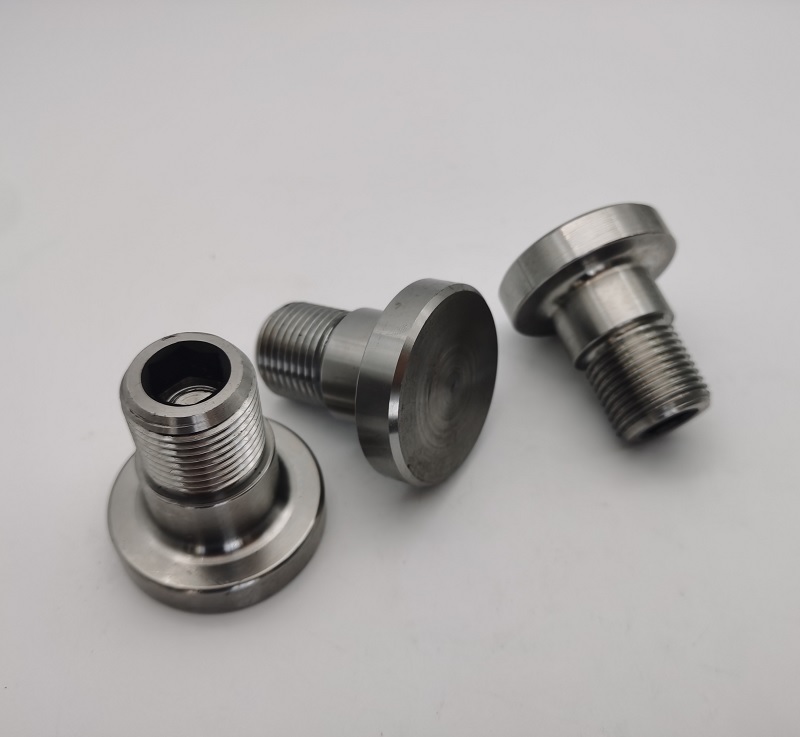
Custom 17-4 PH Forged Shoulder Bolt
Custom 17-4 PH Forged Shoulder Bolt manufactured from stainless steel by precision forging, CNC machining, H1150/4 age hardening and post-hardening thread rolling for demanding industrial assemblies.
Material:
AISI 17-4 PH Stainless SteelManufacturing Process:
Precision Forging, CNC Turning and Female Hex MachiningHeat Treatment:
Age Hardened to Condition H1150/4Thread Specification:
1-12 UNF Class 3A, Rolled After HardeningHardness:
31-35 HRCInspection:
Dimensional, Thread Gauge and Hardness InspectionOEM Service:
Available According to Customer Drawings
Model:0129099
Send Inquiry
Product Description
Custom 17-4 PH Forged Shoulder Bolt
JG manufactures the Custom 17-4 PH Forged Shoulder Bolt from precipitation-hardening stainless steel for heavy-duty pivot, linkage, hinge and motion-control assemblies. Unlike a standard machined fastener, this component must begin as a forging and then pass through controlled CNC machining, internal hex production, age hardening and post-hardening thread rolling. The combined process gives each 17-4 PH forged shoulder bolt high strength, reliable fatigue performance and stable geometry for demanding industrial service.
The 17-4 PH forged shoulder bolt has a large 1.875-inch head, a precision shoulder approximately 1.124-1.127 inches in diameter and a 1-12 UNF Class 3A external thread. The female hex, transition radii, thread relief and shoulder surfaces must work together as a functional assembly. JG controls every datum and transition to support repeatable installation torque, accurate positioning and long service life.
Why the Part Must Be Forged
Forging is the foundation of this custom shoulder bolt. The process improves material flow through the head and shoulder instead of removing the entire shape from oversized bar stock. For a highly loaded fastener, controlled grain flow helps support strength and impact resistance around the head-to-shank transition. JG plans forging allowances carefully so that subsequent CNC turning can clean all functional surfaces without removing unnecessary material.
Producing a consistent custom forged shoulder bolt requires control of billet condition, die fill, flash removal and forging alignment. Variation in the forged blank can affect machining allowance, shoulder concentricity and final head geometry. Incoming forgings are therefore checked before CNC machining so that unstable blanks do not enter later operations.
CNC Machining and Female Hex Accuracy
After forging, the blank is CNC turned to produce the head face, shoulder, thread blank, chamfers, transition radii and relief features. The shoulder diameter and its relationship to the threaded axis are important because the shoulder may act as a bearing, pivot or locating surface. JG uses controlled workholding and machining datums to maintain concentricity while protecting the forged head.
The female hex is machined on the threaded end only. Its size, depth and alignment must provide reliable tool engagement without weakening the surrounding wall. An optional undercut relief can be used to clean the interior corners of the hex. This feature demands close coordination between drilling, internal hex machining and thread-blank preparation.
H1150/4 Age Hardening
The 17-4 PH stainless steel shoulder bolt is returned to Condition A before age hardening and then heat treated to Condition H1150/4. The reference cycle is 1150°F for four hours followed by air cooling below 90°F. The specified performance includes a minimum tensile strength of 135 ksi, minimum yield strength of 110 ksi, hardness of 31-35 HRC and impact strength of 50 ft-lb.
Heat treatment is more than a hardness operation. It can influence straightness, shoulder size, thread-blank diameter and the fit of the female hex. For consistent performance of every 17-4 PH forged shoulder bolt, JG considers heat-treatment movement in the machining plan and verifies critical dimensions after the H1150/4 cycle. Heat-treatment lot identification can be applied with a low-stress marking method for material and process traceability.
Rolled Threads After Hardening
A major manufacturing challenge is the 1-12 UNF Class 3A thread, which must be rolled after hardening. Thread rolling forms the profile by controlled displacement instead of cutting away material. When properly controlled, it produces a smooth thread surface and favorable grain flow, supporting fatigue resistance and consistent load transfer.
Rolling a hardened 17-4 PH forged shoulder bolt requires accurate thread-blank diameter, suitable rolling dies and stable process force. JG monitors the blank before rolling and inspects the finished thread with calibrated gauges. The thread runout, relief and 30-degree lead area are also controlled to prevent assembly interference.
Key Manufacturing Challenges
- Forged grain flow: The blank must fill the head and shoulder geometry while preserving adequate machining allowance.
- Shoulder concentricity: The large shoulder must remain aligned with the 1-12 UNF threaded axis.
- Heat-treatment stability: Machining allowances account for dimensional movement during the H1150/4 cycle.
- Post-hardening thread rolling: Thread blank size and rolling force are controlled for a functional Class 3A thread.
- Female hex integrity: Hex size, depth and wall thickness must balance torque transmission and part strength.
- Low-stress traceability marking: Heat-treatment lot identification is applied without creating harmful stress concentration.
- Burr-free transitions: Thread reliefs, internal hex edges and shoulder radii are finished for safe assembly.
Manufacturing Process
- 17-4 PH stainless steel material verification
- Precision forging and blank preparation
- CNC turning of head, shoulder and thread blank
- Female hex drilling and machining
- Deburring and pre-heat-treatment inspection
- Return to Condition A and H1150/4 age hardening
- 1-12 UNF Class 3A thread rolling after hardening
- Low-stress lot identification marking when required
- Dimensional, thread gauge and hardness inspection
- Final cleaning and protective export packaging
Quality Inspection
Critical characteristics of the 17-4 PH forged shoulder bolt are checked with micrometers, height gauges, thread gauges, hardness testers and other calibrated equipment. Inspection focuses on shoulder diameter, shoulder length, head size, concentricity, female hex geometry, thread function, relief details and heat-treatment results. Material certificates, heat-treatment records and dimensional inspection reports are available according to project requirements.
Applications
- Industrial door and loading systems
- Heavy machinery pivots and linkages
- Motion-control assemblies
- Hydraulic and mechanical equipment
- High-load hinge connections
- Custom OEM structural assemblies
Why Choose JG
JG combines forging coordination, precision CNC machining, controlled heat treatment and thread rolling in one managed production route. This is especially important for parts where strength, shoulder fit and thread performance depend on the correct sequence of operations. Prototype validation, batch production, process traceability and inspection documentation can be provided for OEM programs.
Send JG your drawing, annual demand and inspection requirements for a quotation. The Custom 17-4 PH Forged Shoulder Bolt can be manufactured to your specified dimensions, markings, heat-treatment condition and quality documentation requirements.
Hot Tags: 17-4 PH forged shoulder bolt, stainless steel shoulder bolt, custom forged bolt, rolled thread shoulder bolt, 1-12 UNF shoulder bolt, precision shoulder bolt, heavy duty shoulder bolt, forged fastener manufacturer, CNC machined shoulder bolt, H1150 stainless steel bolt
Product Tag
Send Inquiry
Please feel free to fill your inquiry in the form below. We will reply you in 24 hours.






X
We use cookies to offer you a better browsing experience, analyze site traffic and personalize content. By using this site, you agree to our use of cookies.
Privacy Policy